
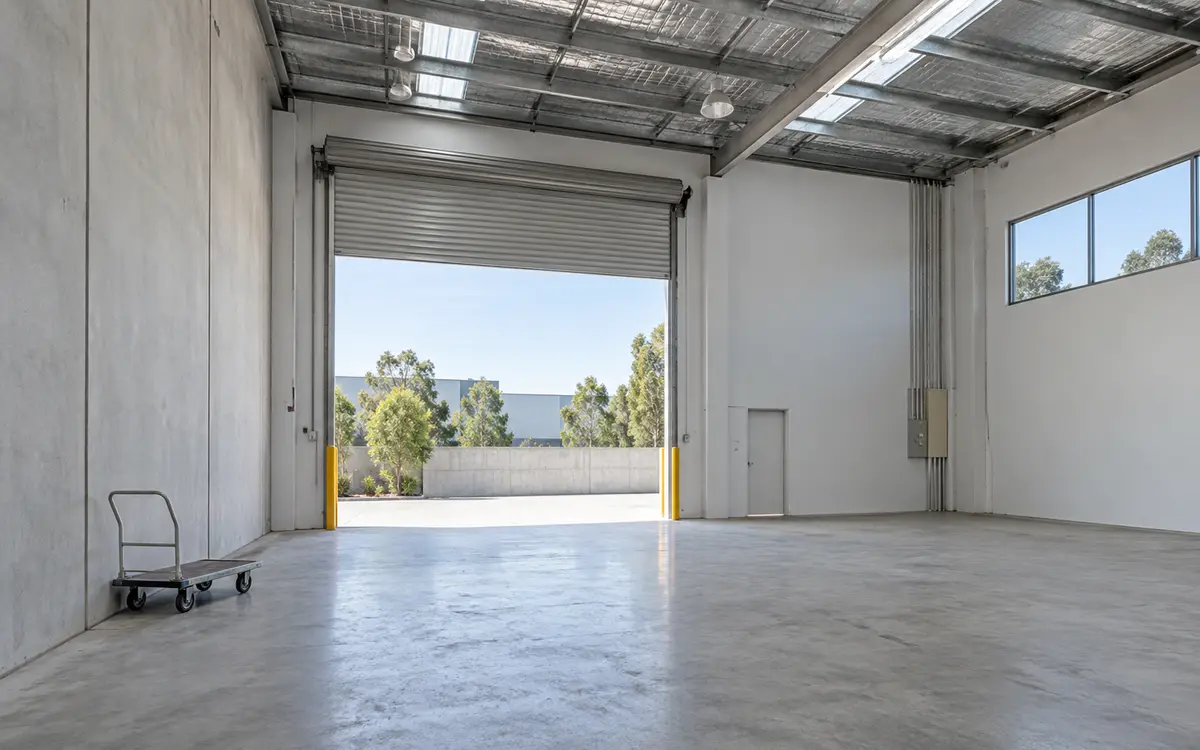
Gulf Times reported on September 30, 2026, that Qatar Development Bank had launched Manarat, an advanced manufacturing hub in Qatar. Applications were open for a 16-unit industrial complex, with assessment covering technical readiness and project viability. The announcement describes a selection and infrastructure proposition. The operating question comes afterwards: how would an accepted tenant project be connected to a product, customer and production record that demonstrate its intended service?
Project selection and accepted production are separate milestones
A project selected for a development programme would have passed the programme's relevant decision boundary. That would not alone establish the outcome of its future manufacturing service. An evaluation should therefore keep the selection record separate from the operating record. This article does not claim that the announced complex is fully occupied or that every intended project has begun production. It asks how a future assessment could connect the selection proposition with the practical evidence a tenant's product and customer would require.
The distinction would allow the centre to report genuine progress without borrowing an unobserved downstream result. A selected project could be ready for its next development task while its customer acceptance remains unresolved. Those findings would be compatible. A programme account could identify the decision already made, the next commitment proposed and the observation needed before that commitment expands. Project selection would then have a precise role in the development chain, rather than serve as an all-purpose label for commercial and manufacturing outcomes that have not yet been demonstrated.
The tenant proposition should name its service
A technology-oriented project description could be attractive while leaving the intended service unclear. A future tenant assessment should identify the product or output being proposed, the recipient and the acceptance endpoint. The purpose would be to give the project a defined operating question. This article provides no eligibility guidance or claim about the bank's complete application criteria. It examines the evidence boundary after a project proposition has been identified, so that a general description of advanced manufacturing does not replace the task the proposed operation must actually fulfil.
The service description should retain its scope. A prototype, a limited production run and a repeated customer supply could each be legitimate development objectives, but they would support different claims. The record should state which objective is being assessed. If the project later changes its intended service, that change should have an identified evidence decision. A result for the original objective could remain useful without automatically covering the new one. Keeping the versions distinct would make development progress easier to review and prevent a broad product label from concealing a changed operating proposition.
Available premises are one part of readiness
A tenant's premises could become available before the tenant has demonstrated the selected production task. A practical record would need to distinguish physical availability from accepted operation. The receiving project could also have its own dependencies that remain unresolved after the premises milestone. This article does not prescribe equipment installation, technical settings or commissioning procedures. Its analytical point is that a building event should keep its own endpoint, rather than become proof that the tenant's complete product and customer proposition is ready.
A future assessment could show the date of premises availability alongside the dates of subsequent accepted tasks. It should retain planned dates as planned and observed dates as observed. If a dependency changes, the record should explain the resulting revision. Such a sequence would allow a centre to show how infrastructure supports tenant progress without treating the earliest successful event as completion of the whole chain. The reader could identify where the project has evidence and where its next operating commitment still rests on a future condition.
The production record needs an identified candidate
An operating demonstration would need to identify the product version or candidate being assessed. A favourable observation for one version should not automatically establish the same result for a later version. The record should connect the assessed output with the conditions and requirements relevant to the intended task. This is a proposed evaluation structure, not a description of a tenant's internal procedure. Its purpose is to make a claim about production traceable to the actual subject of the observation instead of a general project name.
The relationship among observations should also be clear. Separate promising results obtained from different candidates would not alone establish that one candidate meets all necessary conditions. A project could investigate that combination, but the intention to investigate would remain different from the completed result. A linked record would show which conditions have evidence for the selected candidate and which remain unresolved. That would allow technical readiness to contribute to an operating decision without being stretched into an unmeasured promise about every future product the tenant might propose.
Customer acceptance defines another boundary
A production observation and a customer acceptance observation would answer different questions. A tenant might demonstrate an output while the intended customer requirement remains unassessed. The commercial record should therefore identify the buyer or recipient, the requirement and the point at which acceptance is observed. This article reports no actual customer contracts for the announced centre. It proposes a boundary that could distinguish a promising product proposition from an accepted service, without assuming that project selection itself supplies the missing customer evidence.
A future assessment should also retain rejected or unresolved outcomes where they occur. A missing customer decision should not be replaced by assumed approval, and an unresolved observation should not automatically become a confirmed rejection. These categories would lead to different next tasks. Keeping them visible would help a project evaluate its commercial proposition fairly. The record could show progress on production alongside an outstanding buyer question, with the size of the next commitment matched to the evidence for the service actually being offered.
Repeated output tests a different proposition from a demonstration
A successful demonstration could establish that an outcome is possible under its recorded conditions. Repeated output would ask whether the intended service can be supported across the assessed production population and period. Those are different propositions. A future report should preserve the individual observations rather than show only the most favourable result. This article provides no measured tenant production rate, acceptance rate or demonstrated commercial repeatability. A development account would need those observations before making the corresponding claim about sustained operation.
Repetition should also distinguish comparable conditions from changed conditions. A later observation made on a changed product version or under a changed task would not necessarily repeat the original demonstration. It could extend the evidence into a new area, provided the change is recorded. That approach would allow the tenant programme to develop without erasing its earlier boundaries. The reader could see where a conclusion has repeated comparable support and where it rests on an initial result for a newly introduced product or service proposition.
Shared support needs a defined contribution
A centre could offer a support service that several tenants intend to use. The value of that support would need to be connected to an identified task and observation. An activity count would not necessarily establish an improved production result. This article does not invent the centre's service procedures or assert a measured benefit from any particular support arrangement. It asks how an assessment could distinguish support supplied, support used and the outcome observed in the tenant's own operating record.
If tenants share a service, the assessment should also retain the periods and commitments covered by the evidence. Success for one tenant would not automatically establish suitability for another tenant's task. A support proposition could be useful while some intended uses remain unassessed. Keeping that distinction would allow the centre to explain the reach of its service without presenting proximity or membership as a universal performance advantage. Each claimed contribution would have a named recipient question and a record connecting the offered support with the observed result.
Knowledge exchange should show what transferred
A discussion or demonstration between projects could create a useful development opportunity without establishing successful transfer. A future record should identify what was shared, the receiving task and the observation that would show its relevance. The article does not require disclosure of proprietary information or describe an existing exchange arrangement. Its point is that an ecosystem claim should have an assessable relationship behind it. A meeting count would answer a participation question; a documented result in the receiving project would answer a different question about practical transfer.
The receiving context should remain visible. A lesson from one product or operating task might suggest an investigation in another without establishing the answer. The record could preserve that distinction and show whether the receiving project subsequently obtained its own supporting evidence. This would make knowledge exchange valuable as a development process rather than as an automatic certificate of improved performance. It would also help the centre identify which further work tests an actual transfer question, instead of merely increasing the number of events listed under a common programme label.
A fictional centre separates its progress measures
Consider an explicitly invented centre with four selected projects. This is not a Manarat occupancy or performance record. Suppose two projects have a documented operating demonstration, while one of those two has an accepted customer batch. The other selected projects remain at earlier development stages. The selection count is four, the demonstrated-operation count is two and the accepted-customer-outcome count is one. Each number has a different endpoint. None can be substituted for the others without changing the question the record answers.
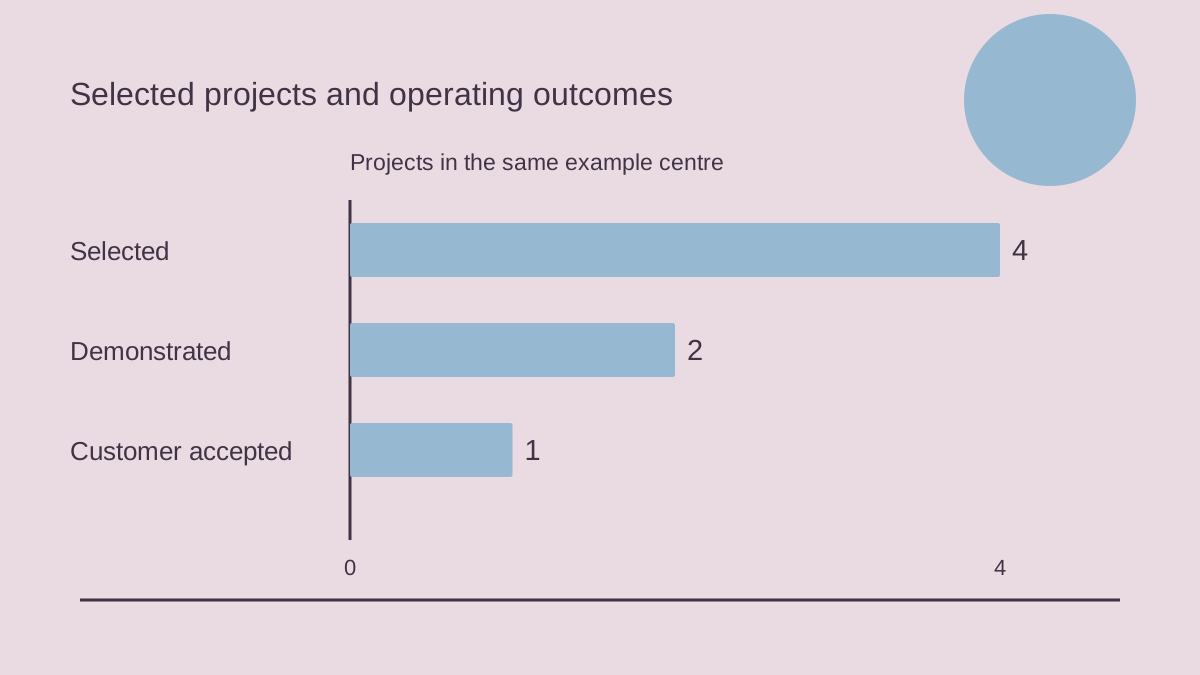
Calling all four projects commercially operational would erase the later evidence gaps. Calling the entire programme unsuccessful would erase the completed intermediate observations. A useful report would preserve both progress and limits, with the next task assigned to the question each project still needs to resolve. The example does not forecast how any real tenant will develop. It explains why a centre's apparent success depends on the endpoint being discussed, and why programme reporting should keep project admission, operating demonstration and accepted customer service as distinct states.
A changed project needs a versioned decision
A tenant could revise its product, target customer or proposed production scope as development proceeds. The assessment should identify the changed proposition and retain the earlier one. Some observations could remain relevant, while others might need further assessment. The record should explain that relationship rather than assume complete continuity from the tenant's identity. This is a proposed development condition, not a claim that a named applicant has changed its project. It identifies why an accepted initial proposition would not automatically cover every later commitment made under the same company name.
A version history could connect each decision with the proposition assessed at that time. A later successful outcome would then support the later version, without retroactively making the initial version complete. Such a history would make learning visible and would allow the centre to assess progress fairly. It could show which uncertainty was reduced and which new question appeared after the change. The practical value would be a traceable relationship between programme support, project decisions and observed operation, rather than an unexplained collection of favourable milestones from different versions.
A tenant-transition ledger can connect selection with service
A concise ledger could organise the evidence between a selected project and its intended operating outcome. The following entries are an analytical suggestion, not the bank's application rules, a tenant contract or records of completed production at Manarat:
- The selected project version, its intended product and service endpoint.
- Premises availability, operating dependencies and their observed or planned dates.
- Candidate identities connecting production observations with necessary requirements.
- Customer acceptance decisions, unresolved outcomes and the assessed population.
- Support contributions and knowledge-transfer questions with their own evidence.
- Project revisions and the observation needed before the next commitment expands.
A ledger containing every heading would not establish complete readiness. Its entries would need traceable observations and explicit statements of missing evidence. That would allow it to guide development without presenting an organised programme record as proof that every selected tenant has already delivered an accepted commercial service.
The wider outcome needs its own denominator
A programme-level economic claim would need an identified boundary and a relevant outcome measure. Spending per selected project would answer a different question from spending per demonstrated operation or per accepted customer service. A future comparison should retain resources committed to unresolved development where they belong inside the chosen boundary. Claims about jobs, wider competitiveness or recognition would likewise require their own observations. This article provides no measured outcome for those propositions and does not infer them automatically from the launch of a centre or the size of its available complex.
The strongest future case would connect selected propositions, ready premises, traceable production evidence and repeated customer acceptance, with separate records for support and wider effects. Until those transitions are demonstrated, the announcement should retain its role as a development and selection proposition. The bridge to operating production would become assessable through the tenant's actual service chain: what has been accepted, what remains unresolved and which observation would justify the next commitment. That approach preserves the significance of the centre while preventing project selection from becoming an unsupported conclusion about completed manufacturing outcomes.
Sources: Gulf Times.



Leave a comment