
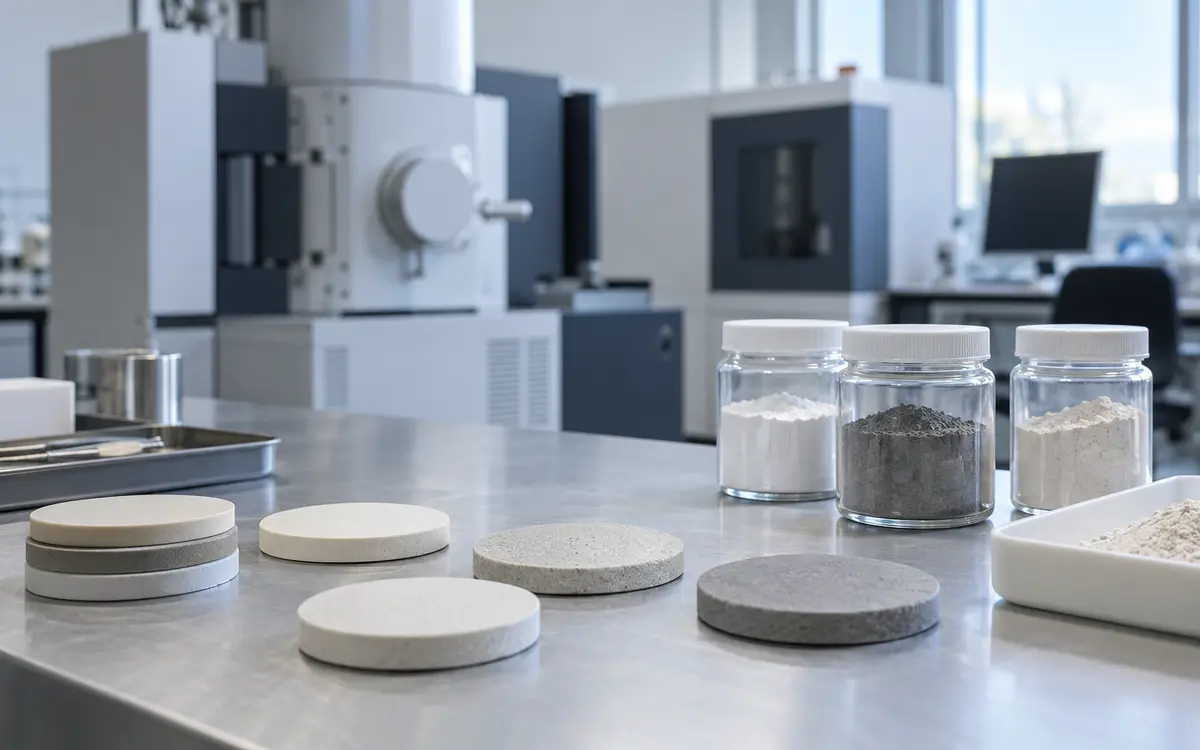
Researchers at Tomsk Polytechnic University and the Budker Institute of Nuclear Physics have reported a method for synthesising high-entropy oxide ceramics in one to ten seconds. Interfax described the result on 20 February 2025, citing the institute's press service. The work in Russia is intended to support thermal barrier coatings for aircraft gas turbine components.
An electron beam replaces prolonged heating
The experiments used the institute's ELV-6 industrial electron accelerator. The reported samples contain rare-earth oxides, and the synthesis stage takes seconds rather than the lengthy processing associated with conventional solid-state preparation. The findings were published in Ceramics International.
The Russian Science Foundation's description of project 23-79-00014 identifies Sergey Gyngazov as its leader and sets out the planned study of fast-electron heating in air. It covers the influence of preparation and beam conditions on the resulting material. That project description establishes the research framework; its proposed outcomes should not be treated as completed results.
The stages that need to remain distinct
- Preparing the starting materials.
- Synthesising the ceramic composition under the electron beam.
- Studying its structure and properties.
- Developing its intended use in a coating.
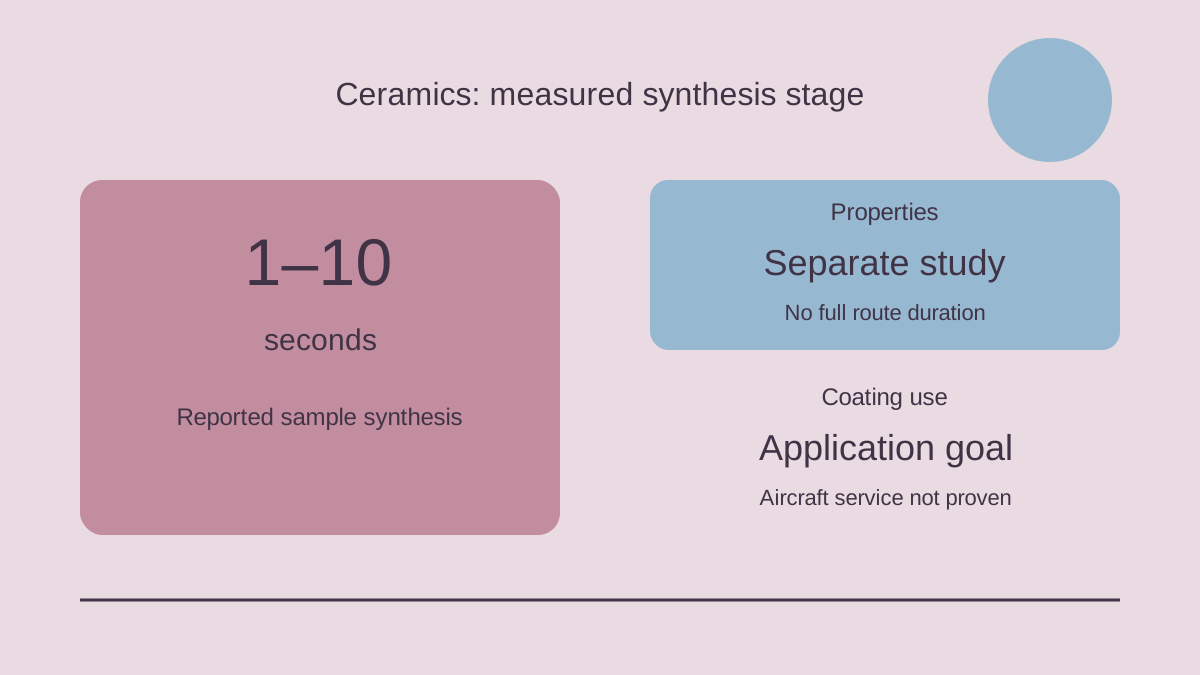
The one-to-ten-second figure refers to synthesis of the reported samples. It is not a measurement of the entire route from raw powders to an aircraft component. Including preparation, testing and application in the same time claim would extend the result beyond the operation that was measured.
Research progress and industrial use
The distinction matters for a material intended to protect a component from heat. Obtaining a composition is one question; showing that it performs as a coating on a specified component is another. A short synthesis time can be a useful process result without establishing readiness for aircraft service.
A meaningful comparison would therefore keep the boundary of each experiment clear: what was prepared, which operation was timed and what properties were measured. It would also distinguish the experimental material from a finished protective layer. The February report describes a rapid synthesis result and an application goal. It provides no basis for assigning an engine certification date, a commercial production volume or a verified reduction in an airline's operating costs.
Sources: Интерфакс; Russian Science Foundation, project 23-79-00014.



Leave a comment