
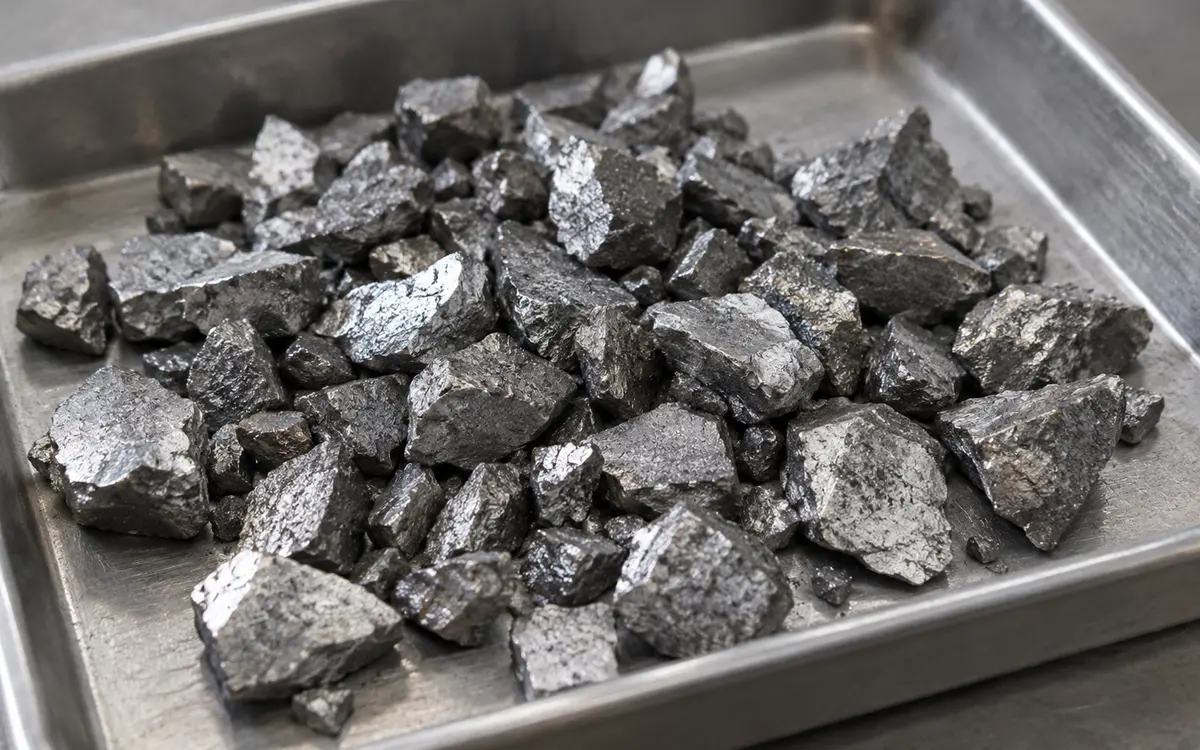
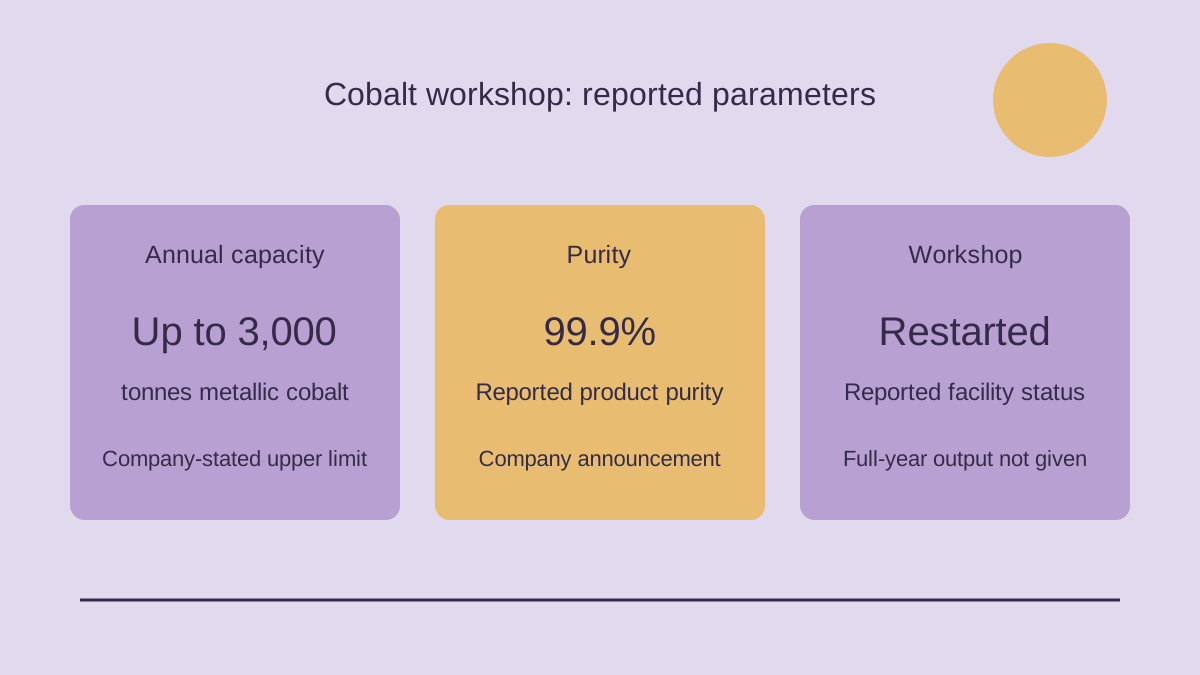
Nornickel has restarted its reconstructed cobalt workshop in Monchegorsk, Russia, the company said in an Interfax report dated December 8, 2025. The stated capacity is up to 3,000 tonnes of metallic cobalt annually, with a reported purity of 99.9%.
Restart and annual output are different measures
The announcement marks a reported return to operation. The capacity figure describes the facility's stated annual production capability; it does not say that this volume has already been produced since the restart. A later operating report would need a defined period before its output could be compared with the annual capacity.
This distinction also matters for supply expectations. A buyer's available delivery would depend on a specific order, product specification and schedule. The stated annual figure alone does not establish the volume offered to an individual customer or the timing of that customer's receipt.
Keep quality claims attached to their scope
The reported purity is a product characteristic in the company announcement. A customer's acceptance document would still need to identify the material ordered and the conditions for checking its conformity. One headline characteristic should not be treated as a complete purchasing specification for every proposed use.
- Separate the restart event from measured output over a period.
- Read annual capacity with its stated upper limit.
- Connect an order to its own product and delivery conditions.
For comparisons with subsequent reports, the product definition should remain visible. A quantity of concentrate and a quantity of metallic product would not be interchangeable measures of delivered metal. The basis of each reported volume would need to be preserved before drawing a production trend.
What subsequent evidence would show
A later update could clarify actual production and deliveries after the restart, using the same product definition and a specified reporting period. Such evidence would answer a different question from the opening announcement: how the available capability is being used in operation.
The restart should also remain separate from a conclusion about the project's complete commercial return. Rated capacity and reported product purity do not themselves provide operating costs, realised sales or investment recovery. Those would require their own evidence rather than being inferred from the launch.
For now, the news records an attributed restart of a reconstructed workshop and the company's stated production parameters. It gives a concrete change in facility status, while a full-year output result remains a matter for a later report.
Sources: Interfax English.



Leave a comment