
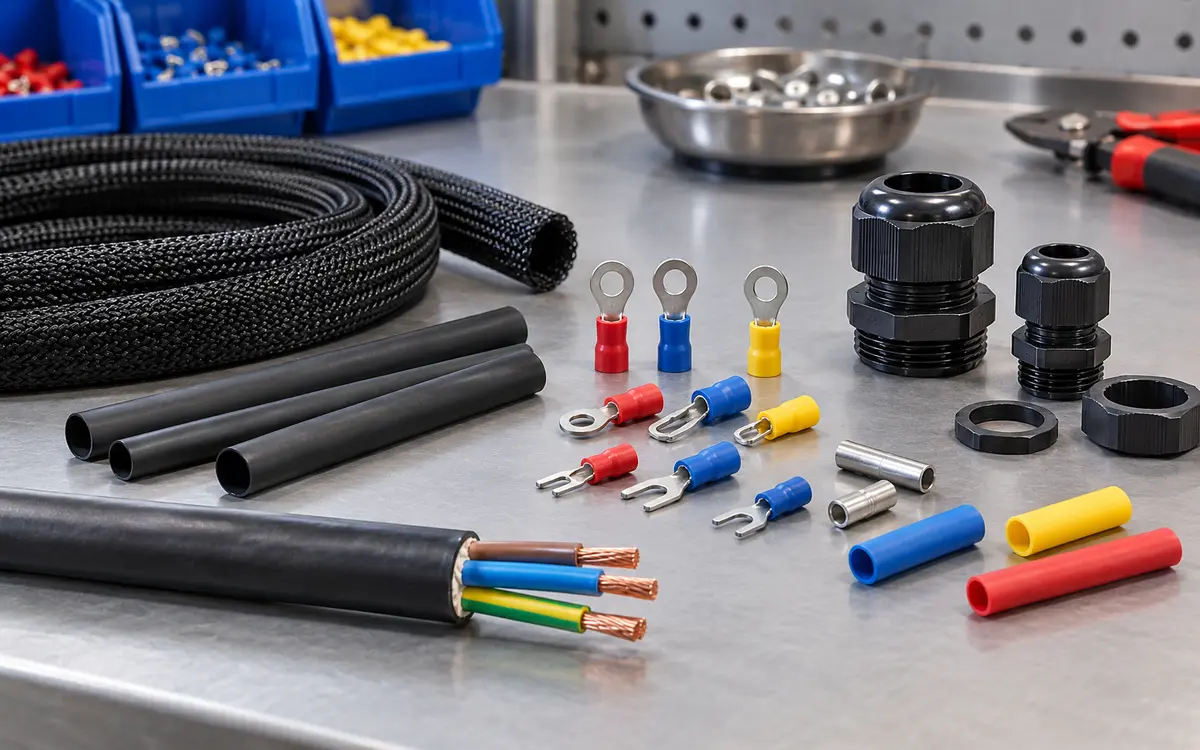
SKAT, a cable-accessory manufacturer from Tatarstan, plans an assembly line in Khabarovsk, Russia. Interfax reported the proposal on March 24, 2025, citing the Khabarovsk region government. The planned location is the Khabarovsk advanced development territory. The report describes a proposed production operation, rather than confirming that the line has started making or delivering products.
An assembly proposal with an open operating schedule
The commercial distinction is between announcing a local assembly route and demonstrating its accepted output. A buyer considering future supply would need the proposed product range, the task performed at the new location and the point at which the finished item becomes available for delivery. The announcement alone should not be converted into a confirmed order quantity or a recurring shipping commitment.
The project account should also explain which inputs would arrive from elsewhere and which work would occur locally. An assembly location can be assessed for its own role without assuming that every component will be manufactured there. That boundary would let a customer compare the proposed service with an existing supply route on equivalent terms.
The next evidence should describe a usable delivery
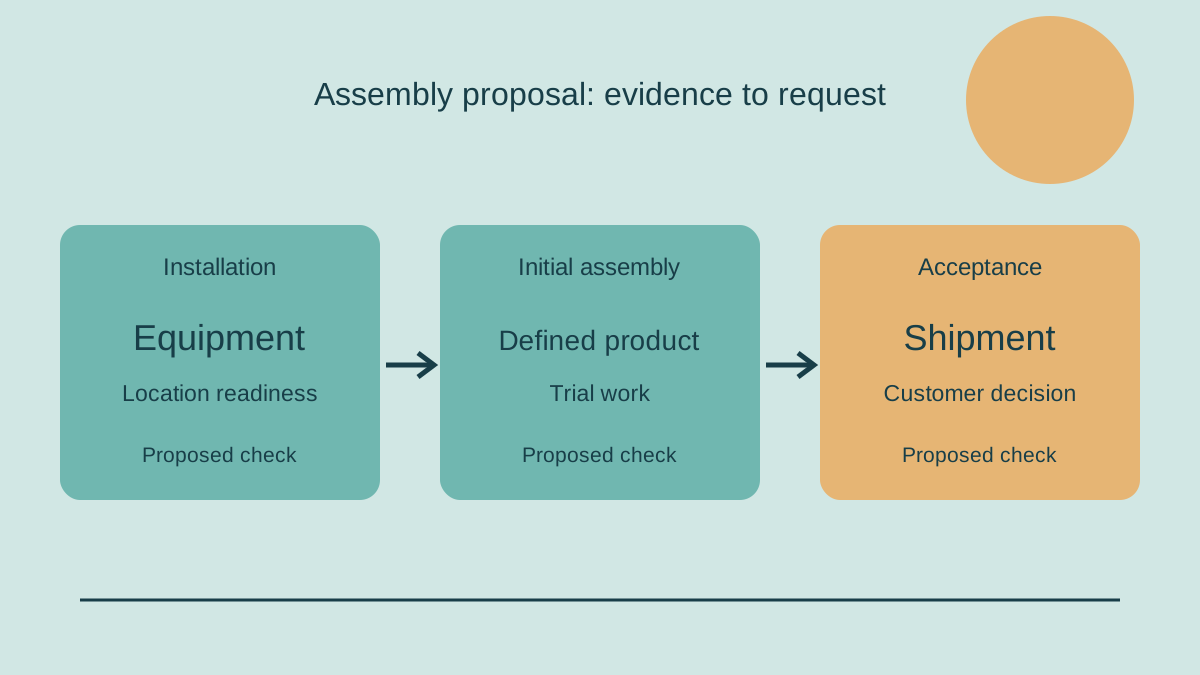
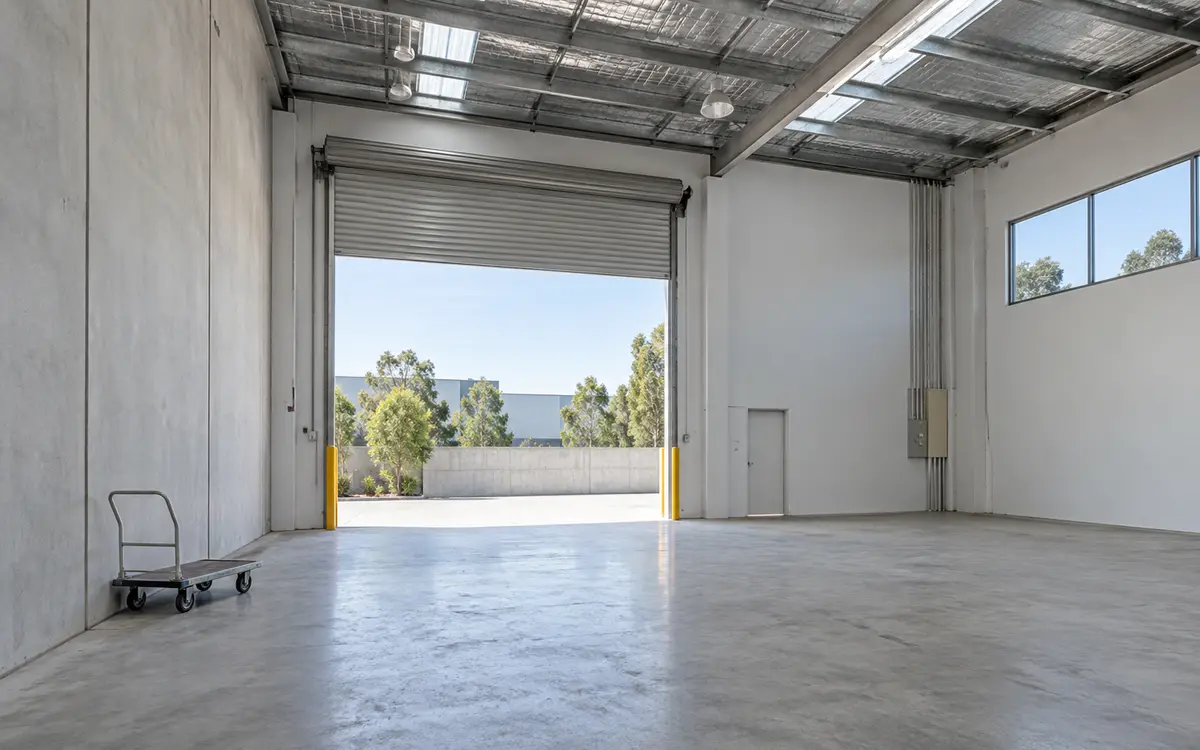
A useful follow-up would connect readiness of the location to a defined product and an acceptance decision. Equipment installation, an initial assembly and a customer-accepted shipment would remain separate milestones. A date should name the milestone it forecasts so that the buyer can see which part of the supply proposal is still conditional.
- Define the cable accessory and its agreed delivery unit.
- Identify the local operation and incoming-component responsibilities.
- Separate installation and trial work from accepted recurring output.
- State the quantity and period behind any later supply commitment.
These are proposed procurement checks, not reported conditions inside the planned operation. They do not establish an investment value, production capacity or commissioning date absent from the brief factual basis. Keeping those questions open would make a later operating update more informative than treating the regional proposal as proof of every commercial capability.
The reported plan provides a reason to examine a new assembly option. Its practical significance would become clearer when the supplier can link the proposed location to an accepted product and a documented delivery. Until then, the March 2025 announcement should retain its status as a plan for expansion.
Sources: Интерфакс Россия.





Leave a comment