
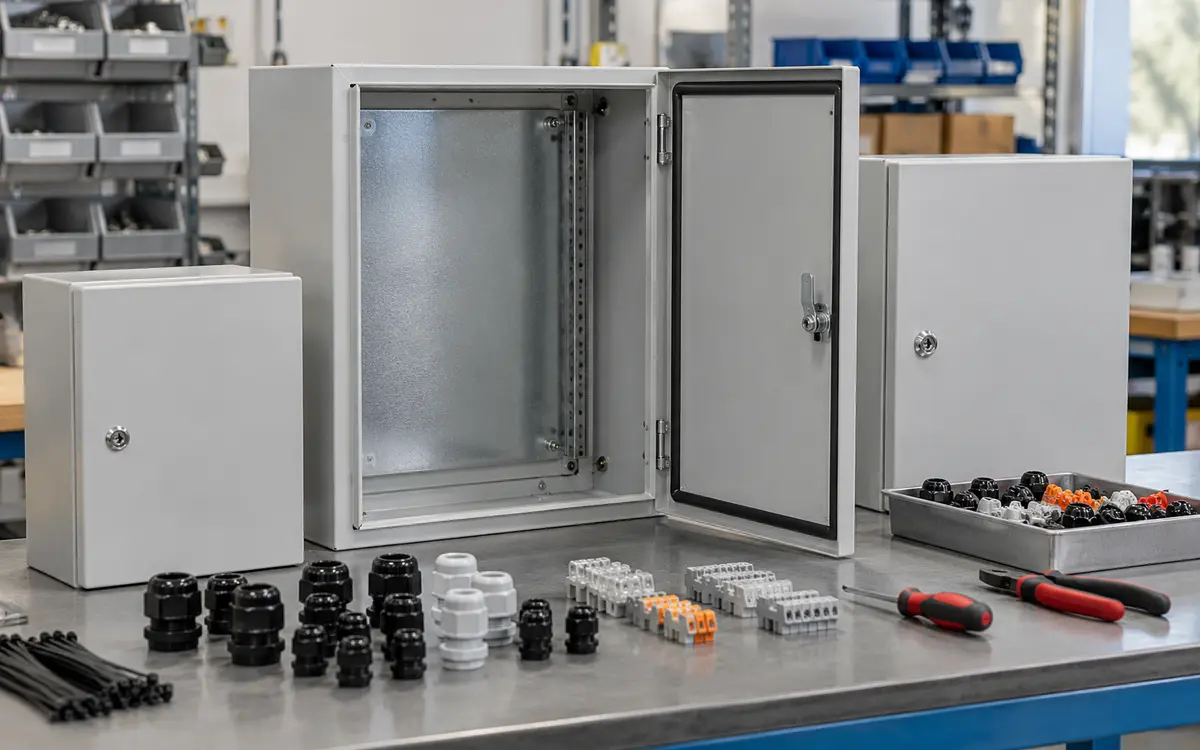
Tbloc Elektrik Elektronik, a company from Turkey, plans a two-billion-ruble electrical-equipment factory in Dmitrov district, Russia, with a launch envisaged for 2026. Interfax reported the plan on June 19, 2025, citing the Moscow region government. An agreement was signed at the St Petersburg International Economic Forum. The report describes a planned investment, not an operating factory or completed delivery.
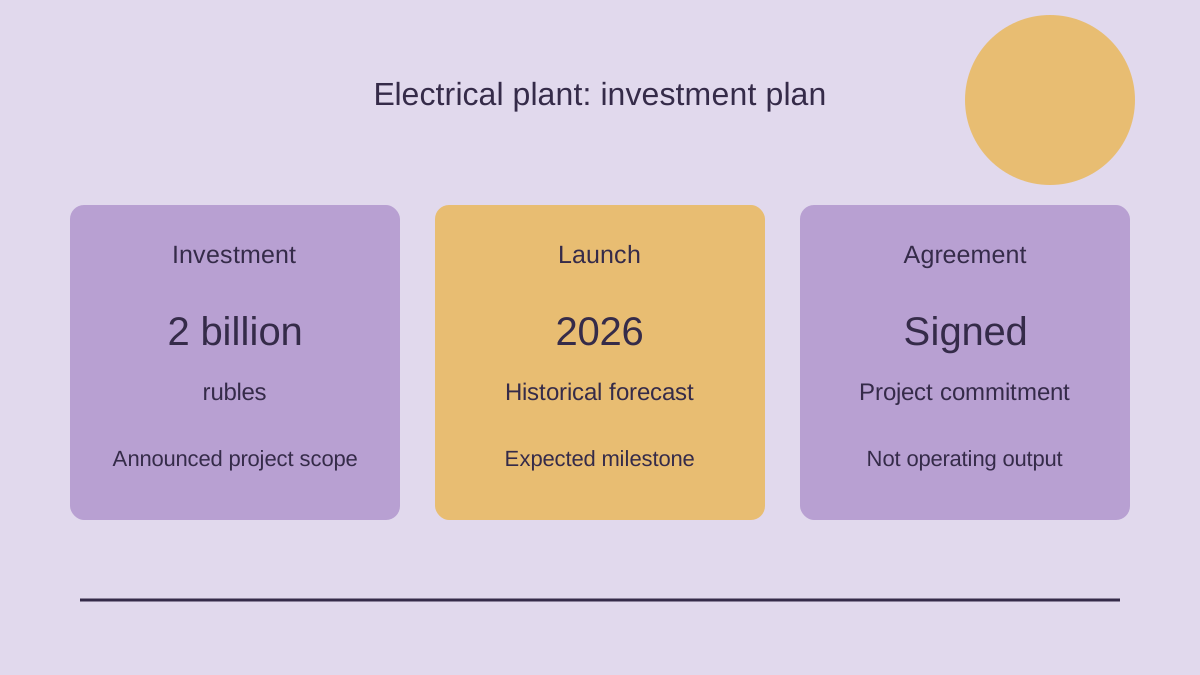
A signed agreement precedes an operating result
The commercial reading should preserve the distinction between the project commitment and the evidence of its execution. An agreement can identify the proposed undertaking without independently establishing installed equipment, accepted production or a customer's order. A later update would need to name the milestone actually reached rather than repeat the investment figure as proof that the complete manufacturing route is available.
A purchaser considering the future site would need a defined item, quantity and delivery period. A broad electrical-equipment description does not settle every configuration the customer might request. The supplier's proposed product scope should remain connected to the particular accepted item used in the procurement comparison.
The launch forecast needs a defined milestone
A forecast for 2026 should state which event is expected. Completion of construction, a production trial and an accepted recurring shipment represent different stages. Keeping those stages separate would allow the parties to revise the schedule precisely if one dependency changes. The historical announcement should retain its future tense until separate evidence establishes a later result.
- Define the equipment item and the customer's acceptance boundary.
- Identify the operation planned at the local factory.
- Connect the delivery date to a specific readiness milestone.
- Keep proposed quantities separate from confirmed supply obligations.
These checks are an original procurement interpretation, not additional facts about the project's progress. They do not establish that the forecast has been met or that every proposed product has already been qualified. A useful follow-up would show the connection between the site's actual status and the delivery the supplier is prepared to acknowledge.
The reported agreement therefore creates a project to follow, rather than a completed supply result. Its commercial significance would become more specific when the investment plan can be linked to an accepted operation and a documented customer delivery. Until then, the two-billion-ruble figure remains the announced investment scope and the 2026 launch remains a historical forecast.
Sources: Интерфакс Россия.




Leave a comment