
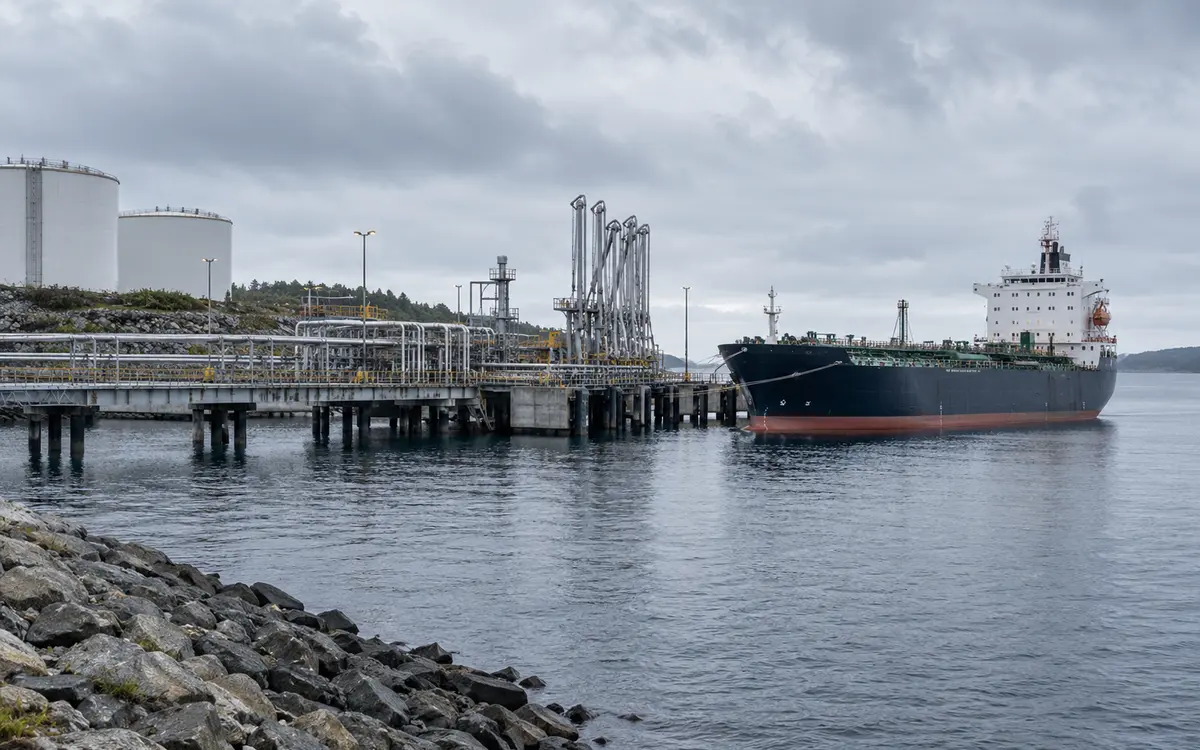
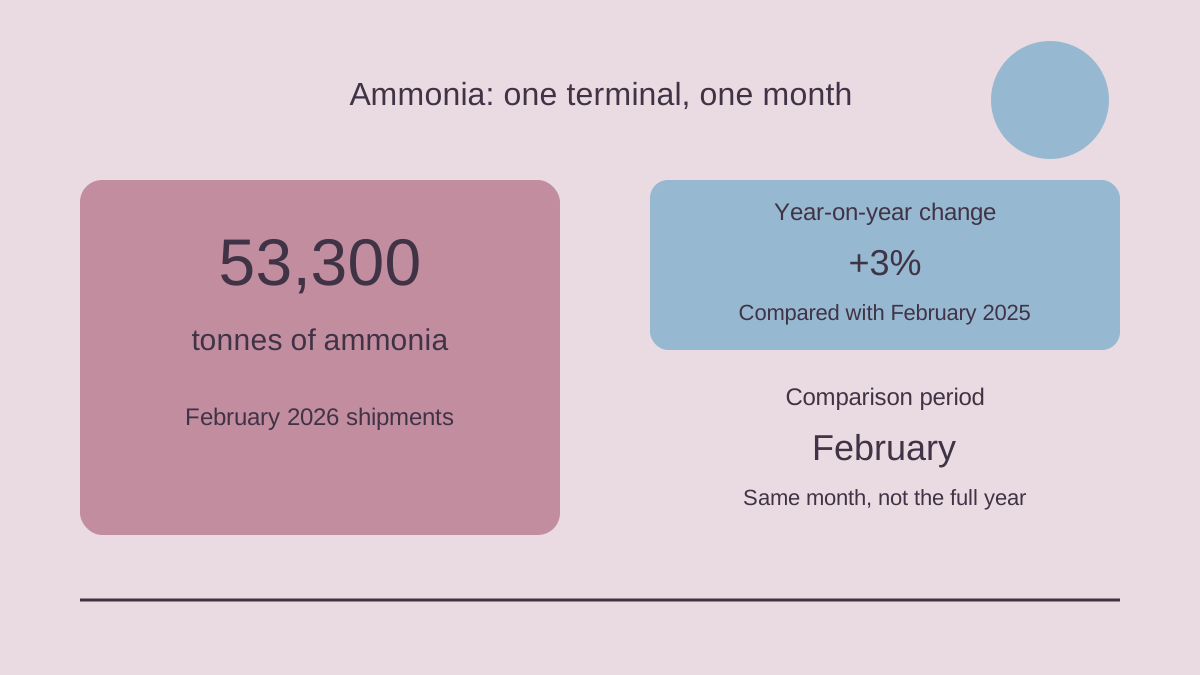
Port Favor in Ust-Luga, Russia, shipped 53,300 tonnes of ammonia in February 2026, 3% more than a year earlier, according to its press service in an Interfax report published on March 4. The figure concerns one terminal, one cargo and one month.
What the monthly result measures
The reported change compares February with the same month of the previous year. It should not be read as a comparison with January or as a growth rate for the full year. A monthly tonnage figure also differs from a terminal's stated annual design capacity: one records handled cargo, while the other describes a capacity target under its specified conditions.
For a shipper considering the announcement, the relevant distinction is between a completed handling result and a commitment for a future consignment. The first provides a dated operating observation. The second would require agreement on the cargo, delivery window and service conditions. The reported percentage does not itself provide those commercial terms.
Read expansion separately from current shipments
The same source describes further terminal development as planned. That status should remain attached to the expansion. Future facilities cannot be counted as completed February operations simply because their intended contribution appears beside the monthly result.
A comparison of subsequent reports would therefore need to preserve the scope of each number. Changes in total terminal cargo, ammonia alone and design capacity answer different questions. Combining them without their definitions could produce an apparent performance comparison that the underlying reports do not support.
- Keep the cargo definition attached to the tonnage.
- Keep the year-on-year comparison attached to February.
- Separate an achieved monthly result from planned capacity.
What the announcement leaves open
The figure is an attributed terminal result, rather than an independent assessment of every aspect of the operation. It does not by itself establish the price of handling, a customer's delivery reliability or the amount of cargo that a future expansion will attract. Those would be separate questions for contracts and later operating evidence.
For now, the news is a modest year-on-year increase in a specified monthly shipment measure. The useful next comparison would apply the same cargo and period definitions. Any later assessment of expansion should additionally identify which planned facilities have actually entered service before connecting them to reported throughput.
Sources: Interfax English.





Leave a comment